
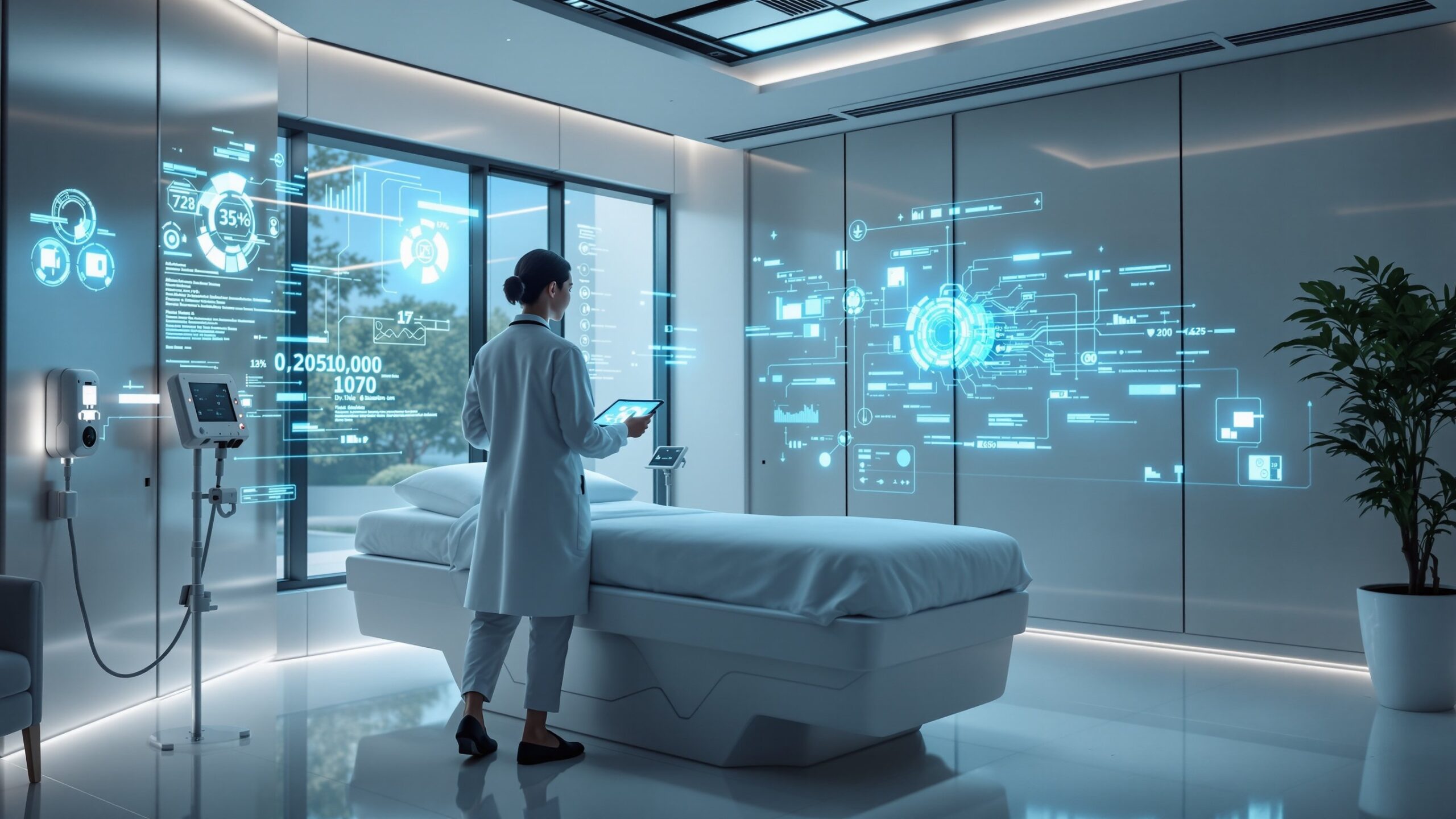
Smart Clinics & Care Centers represent the next evolution of healthcare—where intelligent technology meets human-centered design to create faster, smarter, and more personalized care experiences. On AI Health Street, this category explores how clinics are transforming into connected ecosystems powered by real-time data, predictive analytics, and seamless digital workflows. From AI-assisted diagnostics and automated triage systems to smart patient rooms and remote monitoring, today’s care environments are designed to anticipate needs rather than simply respond to them. This is where innovation becomes tangible. Discover how advanced algorithms support clinicians in making more accurate decisions, how digital check-ins reduce friction, and how integrated systems improve outcomes while enhancing patient comfort. Whether you’re exploring cutting-edge outpatient centers, tech-enabled urgent care models, or the infrastructure behind next-generation healthcare spaces, Smart Clinics & Care Centers reveal a future where efficiency, precision, and empathy work in harmony. Step inside the new standard of care—where every interaction is optimized, every insight is actionable, and every patient journey is intelligently connected.
A: It uses connected systems, digital tools, and better workflows to improve care, efficiency, and patient experience.
A: No. Smaller clinics and outpatient centers can also adopt smart scheduling, telehealth, and connected devices.
A: No. The goal is usually to support staff, reduce repetitive tasks, and free up more time for patient care.
A: Yes. Virtual visits are often a key part of modern, connected care delivery.
A: It helps systems share data, reducing silos and making care decisions faster and more informed.
A: Digital intake systems, remote monitoring tools, connected diagnostics, analytics dashboards, and secure messaging platforms.
A: Yes. Better scheduling, room utilization, and patient flow tools can significantly reduce delays.
A: Absolutely. Strong cybersecurity, access controls, and compliance practices are essential.
A: Yes. Remote monitoring and data-driven follow-up can support long-term condition management.
A: Technology should enhance care quality, patient trust, staff efficiency, and the overall clinical experience.