Remote Diagnostics Technology Connects Home Data With Clinical Review
Remote diagnostics technology brings selected parts of the diagnostic process closer to the patient by combining connected devices, symptom intake, AI-supported triage, and clinician review. It can help people collect useful information at home, help care teams prioritize follow-up, and reduce unnecessary visits when the situation is appropriate. It is not a replacement for physical examination, emergency care, or specialist judgment. Its value depends on reliable devices, clear escalation pathways, privacy safeguards, and workflows that clinicians can trust.
A: explainer reader answer 1: No. It can shift selected evaluations home, but many situations still need in-person care. In this explainer reader context, the answer should connect to a clear workflow rather than a loose impression.
A: explainer reader answer 2: A safe workflow keeps clinicians involved for meaningful decisions. In this explainer reader context, the answer should connect to a clear workflow rather than a loose impression.
A: explainer reader answer 3: Validated devices, patient instructions, and quality checks. In this explainer reader context, the answer should connect to a clear workflow rather than a loose impression.
A: explainer reader answer 4: Patients needing monitoring, triage, or follow-up without unnecessary travel. In this explainer reader context, the answer should connect to a clear workflow rather than a loose impression.
A: explainer reader answer 5: Missing urgent problems or overwhelming teams with poor alerts. In this explainer reader context, the answer should connect to a clear workflow rather than a loose impression.
A: explainer reader answer 6: Yes, when device access and connectivity barriers are addressed. In this explainer reader context, the answer should connect to a clear workflow rather than a loose impression.
A: explainer reader answer 7: Some are, but consumer devices vary widely. In this explainer reader context, the answer should connect to a clear workflow rather than a loose impression.
A: explainer reader answer 8: Data storage, sharing, access, and consent must be clear. In this explainer reader context, the answer should connect to a clear workflow rather than a loose impression.
A: explainer reader answer 9: Seek urgent real-world care instead of waiting for an app response. In this explainer reader context, the answer should connect to a clear workflow rather than a loose impression.
A: explainer reader answer 10: Safer triage, better follow-up, and fewer avoidable care gaps. In this explainer reader context, the answer should connect to a clear workflow rather than a loose impression.
Remote Diagnostics Starts With Reliable Home Data
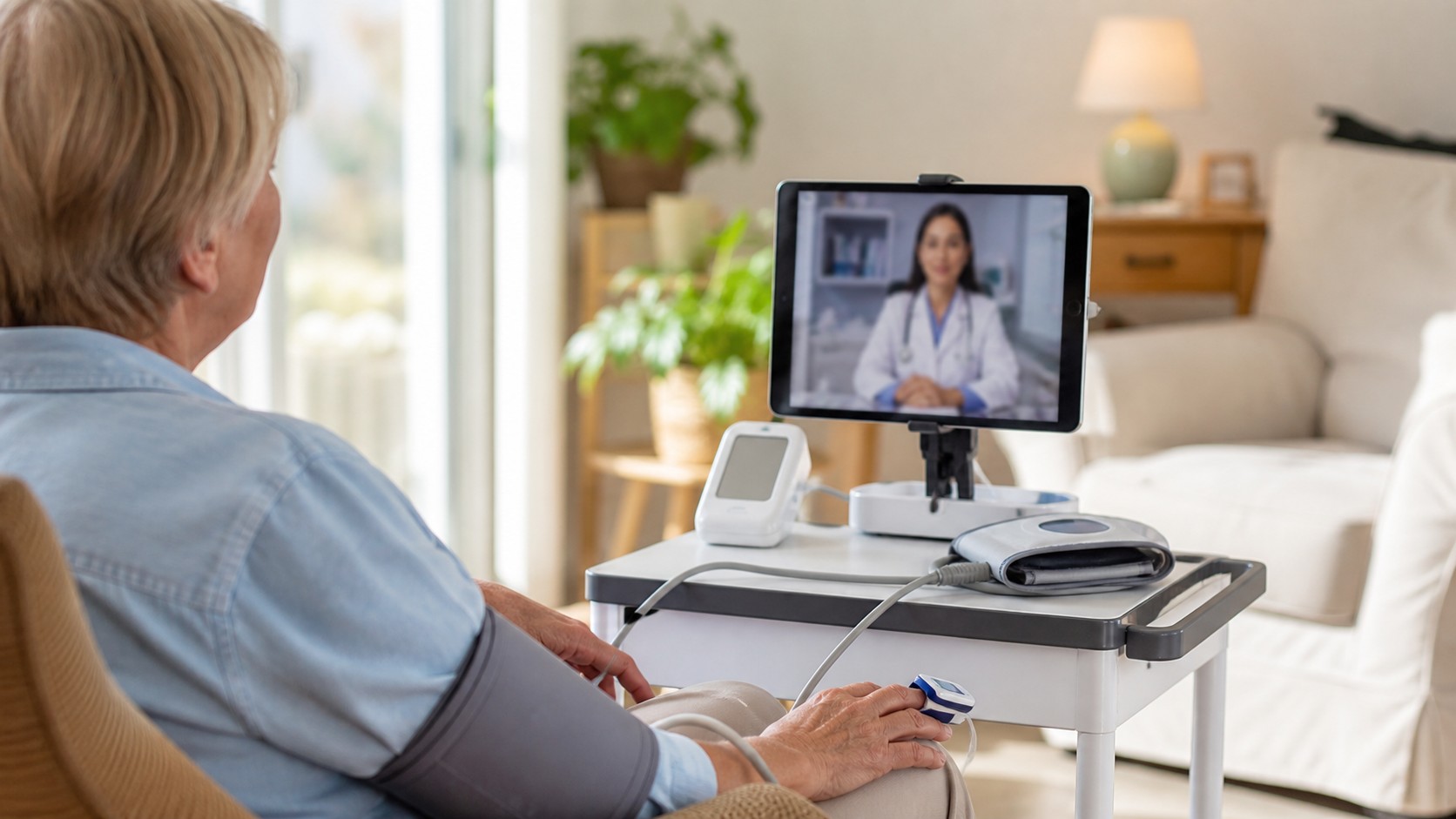
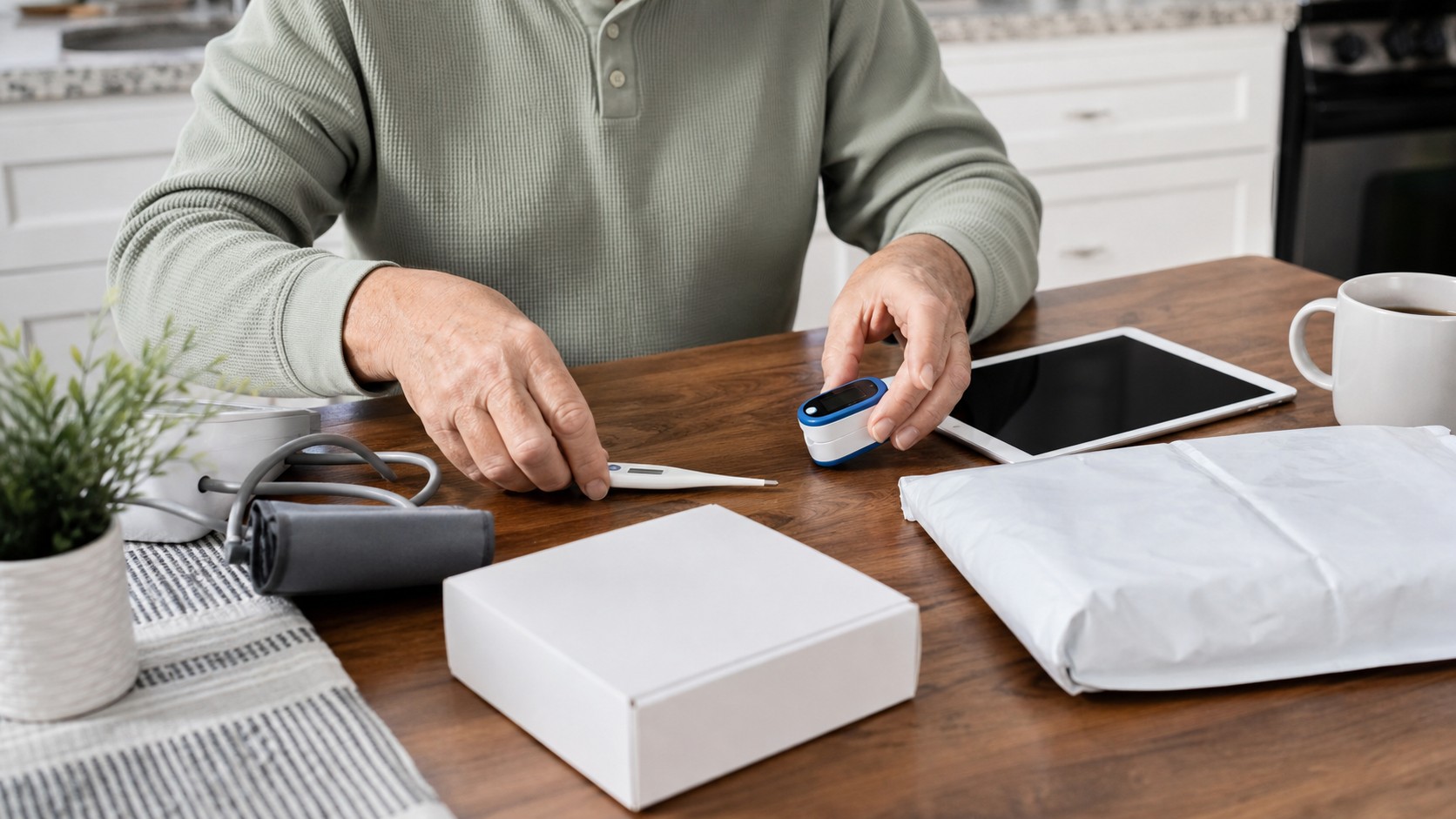
Remote Diagnostics Starts With Reliable Home Data because remote care depends on information collected far from the exam room. A home blood pressure reading, oxygen level, symptom form, or device image can be useful only when collection is reliable and the receiving team knows how to interpret it. AI can help organize the signal, but the signal still needs clinical context. The goal is not to move every diagnosis online; it is to decide which concerns can be handled remotely and which need hands-on care. For this article’s what is remote diagnostics technology and how does it work angle, that means the technology has to be judged by the next clinical action it supports, not by whether the digital workflow sounds advanced. For this article’s what is remote diagnostics technology and how does it work angle, that means the technology has to be judged by the next clinical action it supports, not by whether the digital workflow sounds advanced.
For What Is Remote Diagnostics Technology and How Does It Work?, the practical value appears when the system shortens the distance between patient concern and appropriate action. A good platform gives patients clear instructions, checks whether data looks plausible, and routes concerning patterns to a clinician. It should also make limits obvious. Chest pain, severe breathing difficulty, stroke-like symptoms, and other emergencies should bypass routine remote workflows.
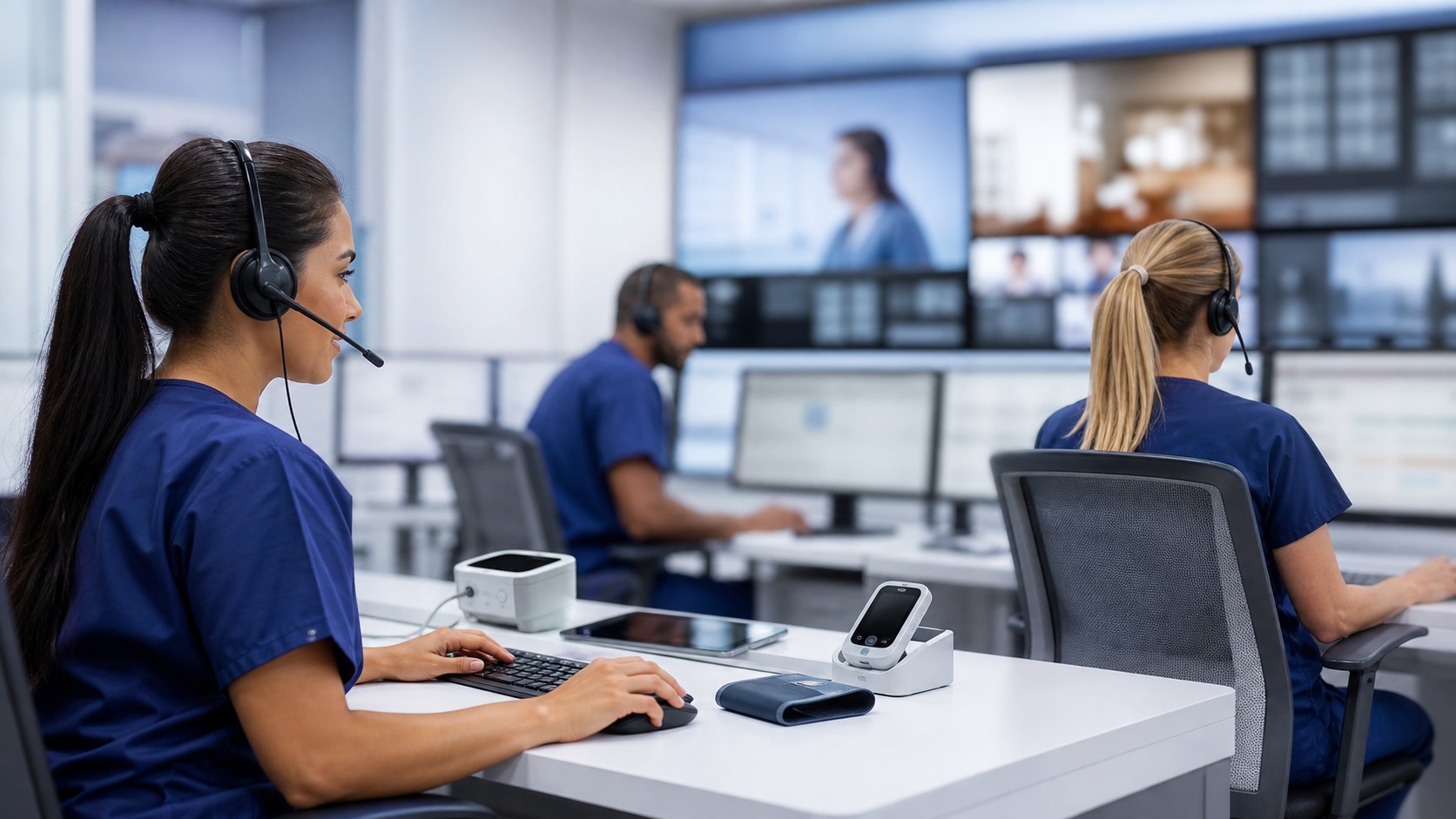
Remote diagnostics works best as part of hybrid healthcare. The home becomes a data-collection point, the platform becomes an organizing layer, and clinicians remain responsible for diagnosis and treatment decisions. When these roles are clear, remote diagnostics can reduce unnecessary travel while catching deterioration sooner. When they are blurred, patients may trust a device reading more than they should.
AI Turns Measurements Into Triage Signals
For What Is Remote Diagnostics Technology and How Does It Work?, the practical value appears when the system shortens the distance between patient concern and appropriate action. A good platform gives patients clear instructions, checks whether data looks plausible, and routes concerning patterns to a clinician. It should also make limits obvious. Chest pain, severe breathing difficulty, stroke-like symptoms, and other emergencies should bypass routine remote workflows. The practical reader should look for evidence, accountability, and a clear handoff from software output to human decision, because healthcare value appears only when the next step is safer or easier to complete.
Remote diagnostics works best as part of hybrid healthcare. The home becomes a data-collection point, the platform becomes an organizing layer, and clinicians remain responsible for diagnosis and treatment decisions. When these roles are clear, remote diagnostics can reduce unnecessary travel while catching deterioration sooner. When they are blurred, patients may trust a device reading more than they should. The practical reader should look for evidence, accountability, and a clear handoff from software output to human decision, because healthcare value appears only when the next step is safer or easier to complete.
Clinicians Still Need Context
Remote diagnostics works best as part of hybrid healthcare. The home becomes a data-collection point, the platform becomes an organizing layer, and clinicians remain responsible for diagnosis and treatment decisions. When these roles are clear, remote diagnostics can reduce unnecessary travel while catching deterioration sooner. When they are blurred, patients may trust a device reading more than they should.
Clinicians Still Need Context because remote care depends on information collected far from the exam room. A home blood pressure reading, oxygen level, symptom form, or device image can be useful only when collection is reliable and the receiving team knows how to interpret it. AI can help organize the signal, but the signal still needs clinical context. The goal is not to move every diagnosis online; it is to decide which concerns can be handled remotely and which need hands-on care.
For What Is Remote Diagnostics Technology and How Does It Work?, the practical value appears when the system shortens the distance between patient concern and appropriate action. A good platform gives patients clear instructions, checks whether data looks plausible, and routes concerning patterns to a clinician. It should also make limits obvious. Chest pain, severe breathing difficulty, stroke-like symptoms, and other emergencies should bypass routine remote workflows. This is also why privacy, usability, equity, and local workflow fit belong in the main discussion rather than in a footnote after the exciting technical claims have already been made.
The Patient Experience Determines Adoption
The Patient Experience Determines Adoption because remote care depends on information collected far from the exam room. A home blood pressure reading, oxygen level, symptom form, or device image can be useful only when collection is reliable and the receiving team knows how to interpret it. AI can help organize the signal, but the signal still needs clinical context. The goal is not to move every diagnosis online; it is to decide which concerns can be handled remotely and which need hands-on care.
For What Is Remote Diagnostics Technology and How Does It Work?, the practical value appears when the system shortens the distance between patient concern and appropriate action. A good platform gives patients clear instructions, checks whether data looks plausible, and routes concerning patterns to a clinician. It should also make limits obvious. Chest pain, severe breathing difficulty, stroke-like symptoms, and other emergencies should bypass routine remote workflows. For this article’s what is remote diagnostics technology and how does it work angle, that means the technology has to be judged by the next clinical action it supports, not by whether the digital workflow sounds advanced.
Escalation Pathways Are the Safety Net
For What Is Remote Diagnostics Technology and How Does It Work?, the practical value appears when the system shortens the distance between patient concern and appropriate action. A good platform gives patients clear instructions, checks whether data looks plausible, and routes concerning patterns to a clinician. It should also make limits obvious. Chest pain, severe breathing difficulty, stroke-like symptoms, and other emergencies should bypass routine remote workflows.
Remote diagnostics works best as part of hybrid healthcare. The home becomes a data-collection point, the platform becomes an organizing layer, and clinicians remain responsible for diagnosis and treatment decisions. When these roles are clear, remote diagnostics can reduce unnecessary travel while catching deterioration sooner. When they are blurred, patients may trust a device reading more than they should. The practical reader should look for evidence, accountability, and a clear handoff from software output to human decision, because healthcare value appears only when the next step is safer or easier to complete.
Escalation Pathways Are the Safety Net because remote care depends on information collected far from the exam room. A home blood pressure reading, oxygen level, symptom form, or device image can be useful only when collection is reliable and the receiving team knows how to interpret it. AI can help organize the signal, but the signal still needs clinical context. The goal is not to move every diagnosis online; it is to decide which concerns can be handled remotely and which need hands-on care.
Device Quality Shapes Trust
Remote diagnostics works best as part of hybrid healthcare. The home becomes a data-collection point, the platform becomes an organizing layer, and clinicians remain responsible for diagnosis and treatment decisions. When these roles are clear, remote diagnostics can reduce unnecessary travel while catching deterioration sooner. When they are blurred, patients may trust a device reading more than they should.
Device Quality Shapes Trust because remote care depends on information collected far from the exam room. A home blood pressure reading, oxygen level, symptom form, or device image can be useful only when collection is reliable and the receiving team knows how to interpret it. AI can help organize the signal, but the signal still needs clinical context. The goal is not to move every diagnosis online; it is to decide which concerns can be handled remotely and which need hands-on care. This is also why privacy, usability, equity, and local workflow fit belong in the main discussion rather than in a footnote after the exciting technical claims have already been made.
Privacy Reaches Into the Home
Privacy Reaches Into the Home because remote care depends on information collected far from the exam room. A home blood pressure reading, oxygen level, symptom form, or device image can be useful only when collection is reliable and the receiving team knows how to interpret it. AI can help organize the signal, but the signal still needs clinical context. The goal is not to move every diagnosis online; it is to decide which concerns can be handled remotely and which need hands-on care. For this article’s what is remote diagnostics technology and how does it work angle, that means the technology has to be judged by the next clinical action it supports, not by whether the digital workflow sounds advanced.
For What Is Remote Diagnostics Technology and How Does It Work?, the practical value appears when the system shortens the distance between patient concern and appropriate action. A good platform gives patients clear instructions, checks whether data looks plausible, and routes concerning patterns to a clinician. It should also make limits obvious. Chest pain, severe breathing difficulty, stroke-like symptoms, and other emergencies should bypass routine remote workflows.
Remote diagnostics works best as part of hybrid healthcare. The home becomes a data-collection point, the platform becomes an organizing layer, and clinicians remain responsible for diagnosis and treatment decisions. When these roles are clear, remote diagnostics can reduce unnecessary travel while catching deterioration sooner. When they are blurred, patients may trust a device reading more than they should.
Equity Is More Than Connectivity
For What Is Remote Diagnostics Technology and How Does It Work?, the practical value appears when the system shortens the distance between patient concern and appropriate action. A good platform gives patients clear instructions, checks whether data looks plausible, and routes concerning patterns to a clinician. It should also make limits obvious. Chest pain, severe breathing difficulty, stroke-like symptoms, and other emergencies should bypass routine remote workflows. The practical reader should look for evidence, accountability, and a clear handoff from software output to human decision, because healthcare value appears only when the next step is safer or easier to complete.
The Future Is Hybrid Diagnosis
Remote diagnostics works best as part of hybrid healthcare. The home becomes a data-collection point, the platform becomes an organizing layer, and clinicians remain responsible for diagnosis and treatment decisions. When these roles are clear, remote diagnostics can reduce unnecessary travel while catching deterioration sooner. When they are blurred, patients may trust a device reading more than they should. This is also why privacy, usability, equity, and local workflow fit belong in the main discussion rather than in a footnote after the exciting technical claims have already been made.
The Future Is Hybrid Diagnosis because remote care depends on information collected far from the exam room. A home blood pressure reading, oxygen level, symptom form, or device image can be useful only when collection is reliable and the receiving team knows how to interpret it. AI can help organize the signal, but the signal still needs clinical context. The goal is not to move every diagnosis online; it is to decide which concerns can be handled remotely and which need hands-on care.