Plan the Week Before Choosing the Recipes
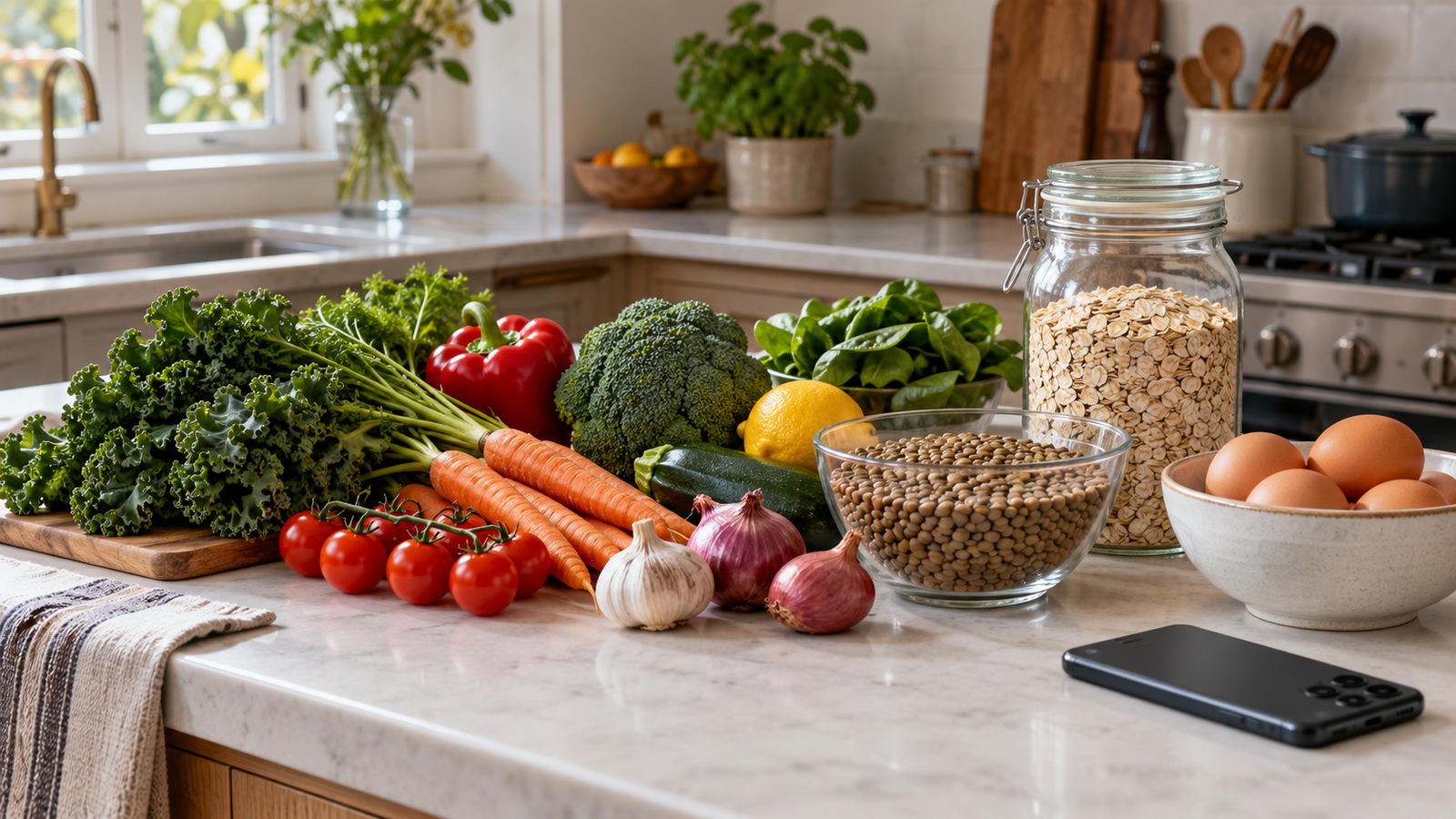
Sunday’s kitchen already contains part of next week’s menu: a few vegetables that need using, a staple you bought in bulk, and leftovers that will not wait until Friday. An AI meal planner becomes more useful when it starts there, with the household and the calendar, rather than producing seven unrelated dinners from a calorie target. Your goals may involve convenience, variety, budget, or following advice supplied through appropriate nutrition care. The software can help arrange possibilities, but you still need to check ingredients, portions, preparation demands, and food safety. A workable weekly menu connects what you have, what you can buy, and when you can cook. The result should reduce the number of decisions left for a tired evening, while leaving enough flexibility for real life to change the plan.
A: Start with attendance, cooking windows, available ingredients, and dependable anchor meals. Add novelty where time and skills allow, so the generator works within the actual week instead of producing seven unrelated cooking projects.
A: Individual needs differ, and clinical targets require appropriate guidance. A shared grocery and cooking plan should not assume that everyone needs identical quantities or restrictions simply because they eat some meals together.
A: Verify ingredients, labels, substitutions, and preparation through appropriate information and relevant professional guidance. Do not rely on a filter or generated assurance alone; the actual food and handling arrangements determine whether the proposed meal fits the requirement.
A: A substitution can change quantities, units, package needs, and ingredients shared with other meals. Rechecking the combined list helps avoid missing items, unnecessary duplicates, or a reserved ingredient being consumed by the replacement dish.
A: No. Storage limits depend on the food and conditions. Plan appropriate refrigeration or freezing using current reliable guidance, and reassess when timing changes rather than assuming one weekly cooking session makes every later meal suitable.
A: It is familiar, manageable, and dependable for the kind of evening assigned to it. Its ingredients, equipment, preparation time, and household acceptance should fit ordinary conditions, leaving less uncertainty when the rest of the week changes.
A: Review perishables, reserved portions, and storage timing first. Some meals can move, while others need replacement or a different handling plan. A calendar shift should follow the food's actual history rather than preserve the original sequence automatically.
A: No. A short inventory of relevant, usable ingredients can be sufficient. Focus on items that affect the upcoming meals and confirm quantities, rather than spending more effort maintaining a perfect database than planning the week itself.
A: Choose an amount that fits your cooking skills, time, equipment, and willingness to troubleshoot. A few familiar meals make it easier to test the planning workflow without confusing recipe-learning effort with the system's practical value.
A: Bring observations about preparation time, unused food, attendance changes, preferences, appliance conflicts, and shopping friction. These concrete details help revise the next week more usefully than simply asking for a more personalized menu.
Map the Meals That Actually Need Planning
Begin with attendance and time. Which evenings will people eat at home, which lunches need packing, and when will cooking be difficult? Include meals already arranged elsewhere so the planner does not buy ingredients for an empty table. A week with two late workdays should look different from a week with several unhurried evenings, even if the household’s nutrition goals remain the same.
Next, identify reliable cooking windows. A longer session may fit on one day, while another needs a simple assembly meal. Be realistic about cleanup and equipment as well as cooking time. Two recipes that each require the same oven at different temperatures can create more work than their individual preparation estimates suggest. Ask the planner to account for the whole meal rather than adding isolated recipe times.
Keep one or two flexible slots if your schedule often changes. Filling every space can create pressure to cook food you no longer need, while leaving every evening undecided defeats the purpose of planning. You can plan a dependable core and retain a small set of easy alternatives. Flexibility works best when it is designed into the menu rather than improvised from a fridge full of unrelated ingredients.
Turn Your Goal Into Practical Constraints
Explain what you want the menu to accomplish in terms the planner can use. A grocery budget, a maximum active cooking time, preferred foods, and a desire to reuse ingredients are concrete constraints. A vague request to “eat perfectly” invites a plan with no clear stopping point. If a qualified professional has supplied nutrition advice, use that advice as the relevant boundary instead of asking the assistant to invent a therapeutic target.
Do not let numerical optimization override suitability. A generated menu might appear to meet a calorie or nutrient target while depending on foods you dislike, portions that do not fit the household, or recipes beyond your skills. Goals should guide the plan rather than conceal practical problems. Review the actual meals and retain the ability to change them when a recommendation does not fit.
Start With the Pantry and Perishables
Make a short inventory of foods that are usable and relevant to the coming week. Include approximate quantities and any important dates or storage limits you know. You do not need a complete digital catalog of every spice to get useful help. Focus on ingredients that could shape a meal or prevent a duplicate purchase, such as an opened package, a bag of frozen vegetables, or a staple you already have in sufficient quantity.
Separate what must be used soon from what can wait. The assistant cannot determine whether an item is safe from an optimistic description, so assess storage and condition through appropriate food-safety guidance. Do not ask it to rescue questionable food because the menu would otherwise be convenient. An inventory is a planning input, not a substitute for safe handling or a reliable record of storage history.
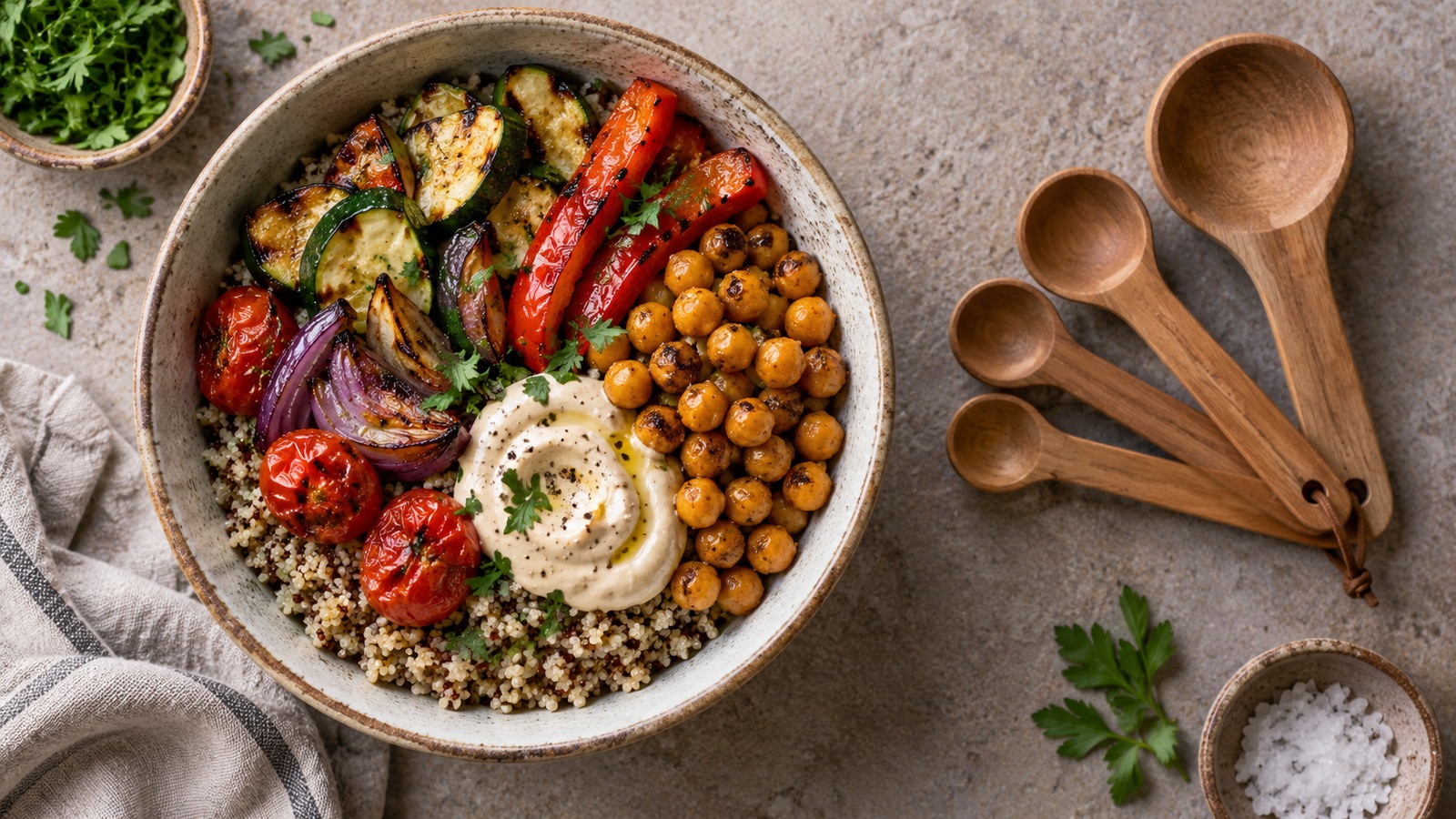
Then ask for a small group of meals that share selected ingredients without becoming identical. A vegetable might appear in a cooked dish and a separate simple lunch, while a cooked grain could support more than one serving occasion. Reuse should reduce waste and effort rather than force the household to eat the same flavor repeatedly. Consider whether the ingredient will remain suitable until the proposed use.
Check that the claimed reuse is real. A plan can list similar ingredients under different names, request several small specialty purchases, or assume that one package provides more than it does. Compare the quantities across recipes before accepting the grocery list. This is where a brief human review can prevent the attractive weekly plan from producing an expensive basket and several half-used containers.
Choose Anchor Meals Before Filling Every Slot
| Day | Meal decision | Shopping consequence |
|---|---|---|
| Monday | Bean-and-vegetable rice bowls | Use pantry rice and canned beans; buy vegetables. |
| Tuesday | Familiar pasta with vegetables | Use the remaining suitable vegetables; check sauce stock. |
| Wednesday | A planned meal away | No dinner ingredients assigned. |
| Thursday | Freshly prepared omelet or a familiar alternative | Buy only the eggs or alternative actually needed. |
| Friday | A quick freezer meal already on hand | No extra freezer purchase. |
This demonstrates ingredient overlap and calendar fit, not a nutritionally complete prescription. The shopping list starts with missing vegetables, sauce if absent, and Thursday’s selected ingredient. Quantities depend on the household servings; the assistant must not count Wednesday as a home dinner or buy rice already in the pantry.
Anchor meals are familiar, manageable dishes that make the week easier to organize. You might begin with a simple meal for a late evening, a larger cooking session when time allows, and a dependable packed lunch. Ask the planner to arrange the remaining choices around those commitments. Familiarity can lower the effort of following a menu without requiring every meal to be repeated indefinitely.
Add novelty selectively. One new recipe may provide welcome variety, while several unfamiliar dishes can turn the week into a sequence of cooking experiments. Check whether the recipe instructions, equipment, and ingredients are clear before assigning it to a busy evening. If the dish is important to the plan, keep a simpler fallback available rather than assuming the first attempt will proceed exactly as described.
Make Household Differences Visible
A single menu may serve people with different appetites, preferences, schedules, or clinical needs. Describe those differences without assuming that one numerical target should apply to everyone. A shared meal with flexible components can sometimes work better than completely separate recipes, but the arrangement needs review. For allergies or other medical dietary requirements, verify ingredients and preparation through appropriate professional and product information. A generated filter or reassuring sentence cannot guarantee safety, prevent cross-contact, or establish that a proposed substitution meets an individual’s care requirements.
Check Portions and Shopping Quantities Together
A recipe’s stated serving count is an estimate about that recipe, not a determination of what each person should eat. Review whether the quantities make sense for the household and the intended use. A meal planned to provide dinner and lunch needs enough prepared food for both. An app can confuse recipe servings, package sizes, and the number of people unless the relationships are made explicit.
The NIDDK discussion of food portions distinguishes portions from labeled serving sizes. That distinction is useful when reviewing a menu’s arithmetic. The label describes a reference amount for nutrition information, while the amount someone eats may differ. Do not assume that entering a package into a planner has settled every portion decision for the week.
Review the grocery list after the menu is stable. Combine equivalent ingredients, subtract usable stock, and check units. A request for several tablespoons should not automatically become several jars, and an ingredient bought by weight should not be confused with a count of packages. Keep the list readable enough that you can substitute intelligently when the store does not carry the exact item.
Plan Leftovers With Storage in Mind
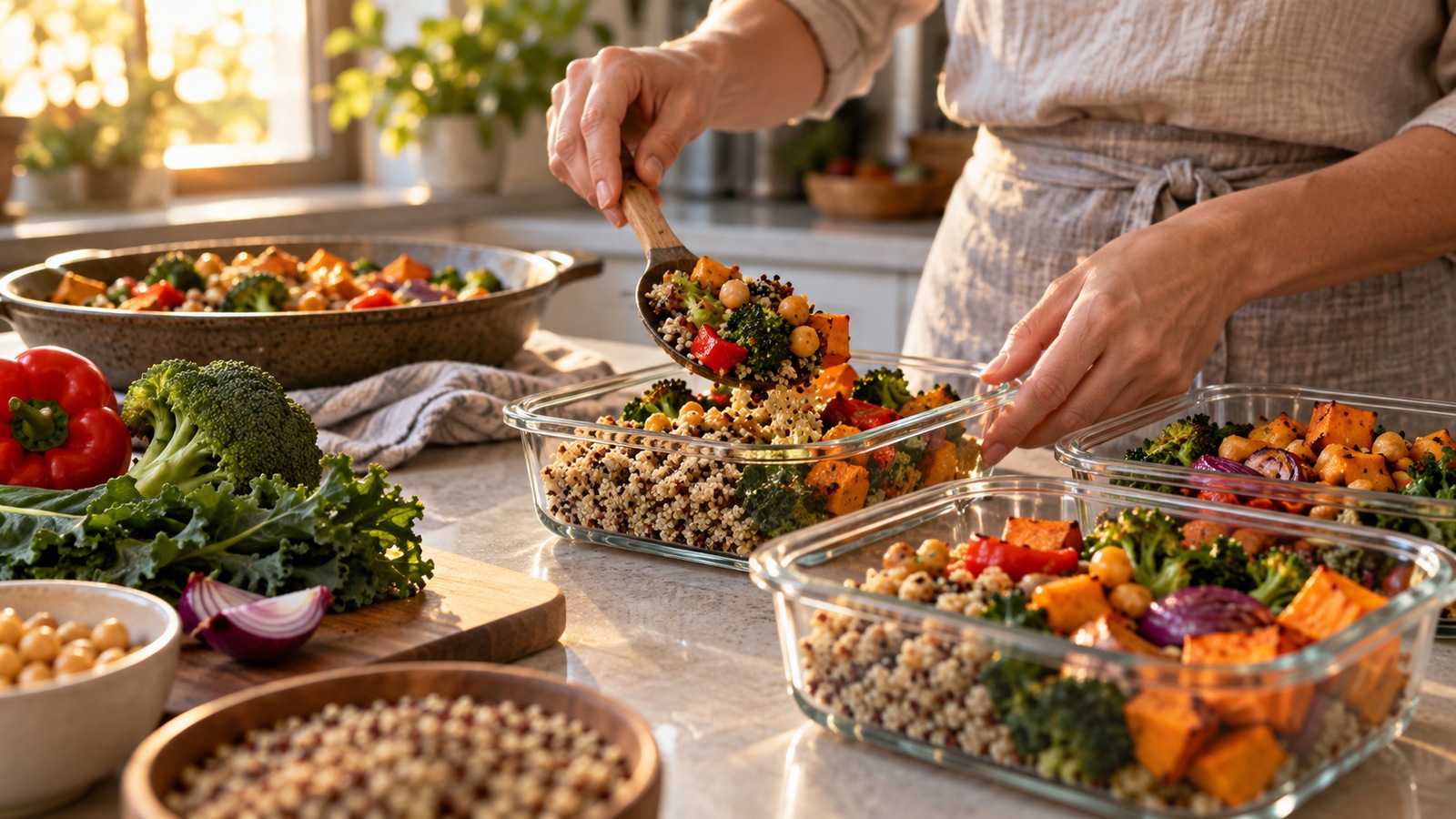
Leftovers can save time, but a seven-day menu should not assume that everything cooked at the beginning remains suitable in the refrigerator until the end. USDA guidance states that cooked meat, poultry, and seafood can be refrigerated for three to four days. Review the USDA storage guidance for the relevant food and conditions. Use appropriate cooling, storage, and reheating practices rather than letting the planner’s convenience determine safety.
Decide which portions will be used soon and which need an appropriate freezing plan. Make those decisions explicit in the schedule so a future lunch is not based on an unspecified container. A reminder can support the plan, but it cannot reconstruct an unknown storage history. If circumstances change, reassess the food and the menu rather than assuming the original generated schedule remains valid.
Use Planning Features as Administrative Help
Storage capacity belongs in this calculation too. A freezer already full of other food cannot absorb every spare portion the software proposes. Check available containers and space before building a batch-cooking plan around them. A realistic menu considers the kitchen’s practical capacity alongside the calendar.
Some services combine weekly menus, recurring foods, and grocery lists. For example, Eat This Much describes daily planning in its free service and additional weekly-planning, pantry, and grocery functions in Premium. These features can reduce repeated administrative work. They should be tested with your own recipes and household rather than judged only from a sample plan.
MyFitnessPal’s tier comparison also describes meal-planning features within Premium+. A combined tracker and planner may be convenient if you already use its ecosystem, but integration does not guarantee that the menu suits your budget or needs. Establish the job you want the feature to perform before adding another subscription or moving your records.
Even a general assistant can help reorganize an existing menu when supplied with clear constraints, but its quantities and food-safety statements need review. Avoid asking for a finished answer that conceals uncertainty. Request alternatives and inspect the effect of each change on shopping and preparation. The administrative benefit comes from reducing routine work while preserving your ability to understand the plan.
Revise the Menu When the Store or Calendar Changes
Substitute according to the role of an ingredient and any relevant dietary requirements, rather than appearance alone. A replacement may change cooking time, storage needs, flavor, or the amount required. Check the affected recipes and quantities together. If the substitution changes the meal substantially, it may be easier to choose another familiar dish than to keep repairing the original recommendation.
When an evening becomes unexpectedly busy, use the planned fallback and move or remove the displaced meal deliberately. Check perishables and storage timing before shifting everything one day later. A menu is a coordinated sequence, so a small calendar change can affect several ingredients. The planner is most useful when it helps you see those consequences without insisting that the original schedule must be completed.
Review What Was Cooked Before Generating Another Week
At the end of the week, look at what actually happened. Which meals were easy to prepare, which ingredients went unused, and which evenings required a different solution? Keep a few practical observations rather than rating the week as a success or failure. These details give the next planning request a better foundation than simply asking for more variety.
Retain familiar meals that earned their place and remove repeated sources of friction. If a recipe consistently takes longer than expected, revise its time estimate. If the household rejects a particular combination, stop letting the planner reintroduce it under a new name. Personalization improves when real experience changes the menu’s assumptions.
Review the sample week by crossing out the meal away, marking which rice and beans were already owned, and carrying forward only ingredients still suitable to use. If Thursday’s plan changed, amend its shopping quantity before generating another menu. A weekly plan has succeeded when the household can explain what to cook, what to buy, and what will happen to the remaining food. The next version should repair the actual unused ingredient or missing serving rather than replace the whole week with another attractive list of recipes.