How AI Remote Diagnostics Is Transforming Healthcare
AI remote diagnostics is transforming healthcare by moving selected evaluations closer to patients while helping clinicians prioritize who needs in-person care.
Where Intelligence Meets Human Health
AI remote diagnostics is transforming healthcare by moving selected evaluations closer to patients while helping clinicians prioritize who needs in-person care.
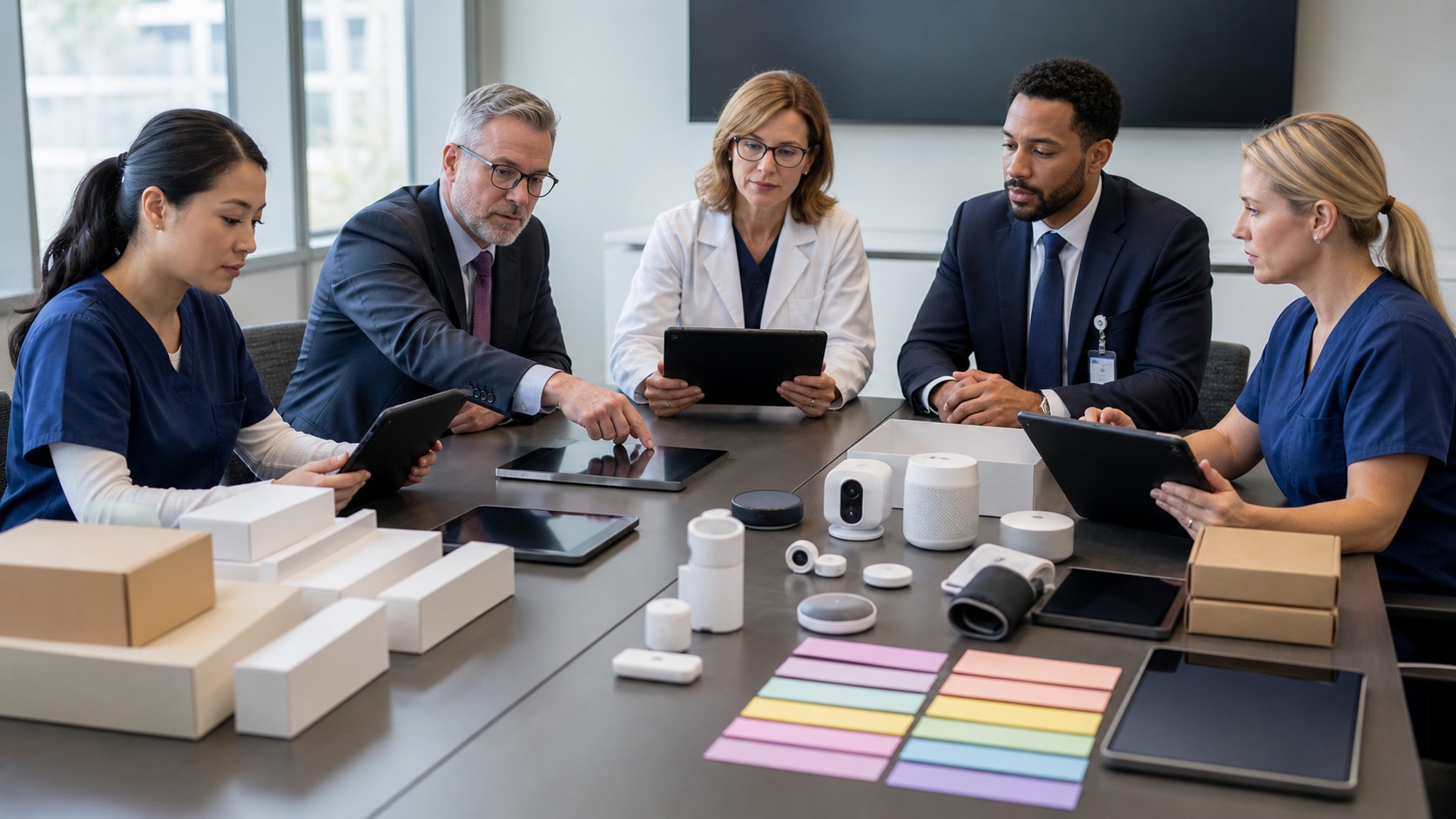
The best AI remote diagnostics platform depends on clinical scope, device integration, escalation workflows, privacy, usability, and evidence.
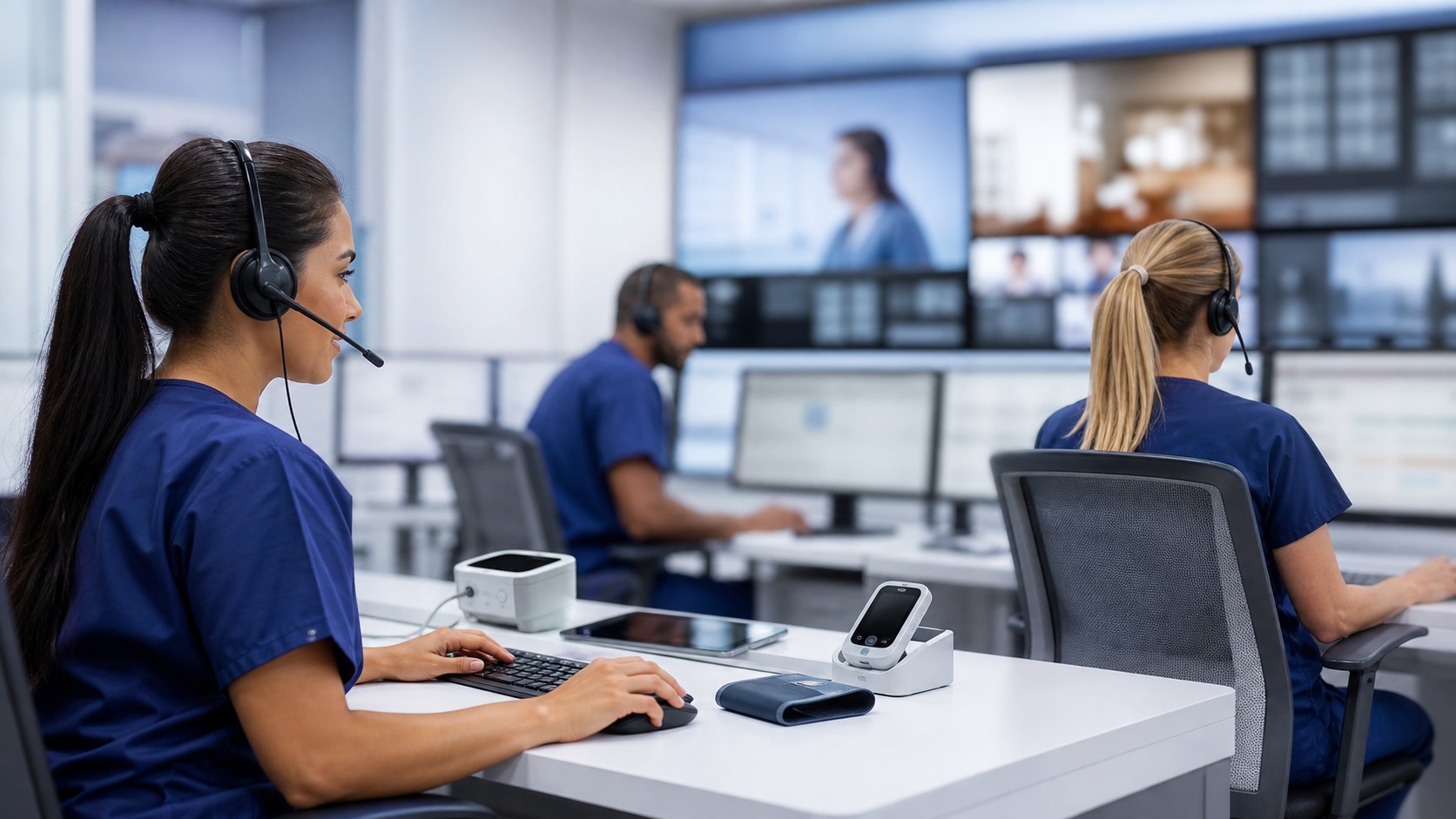
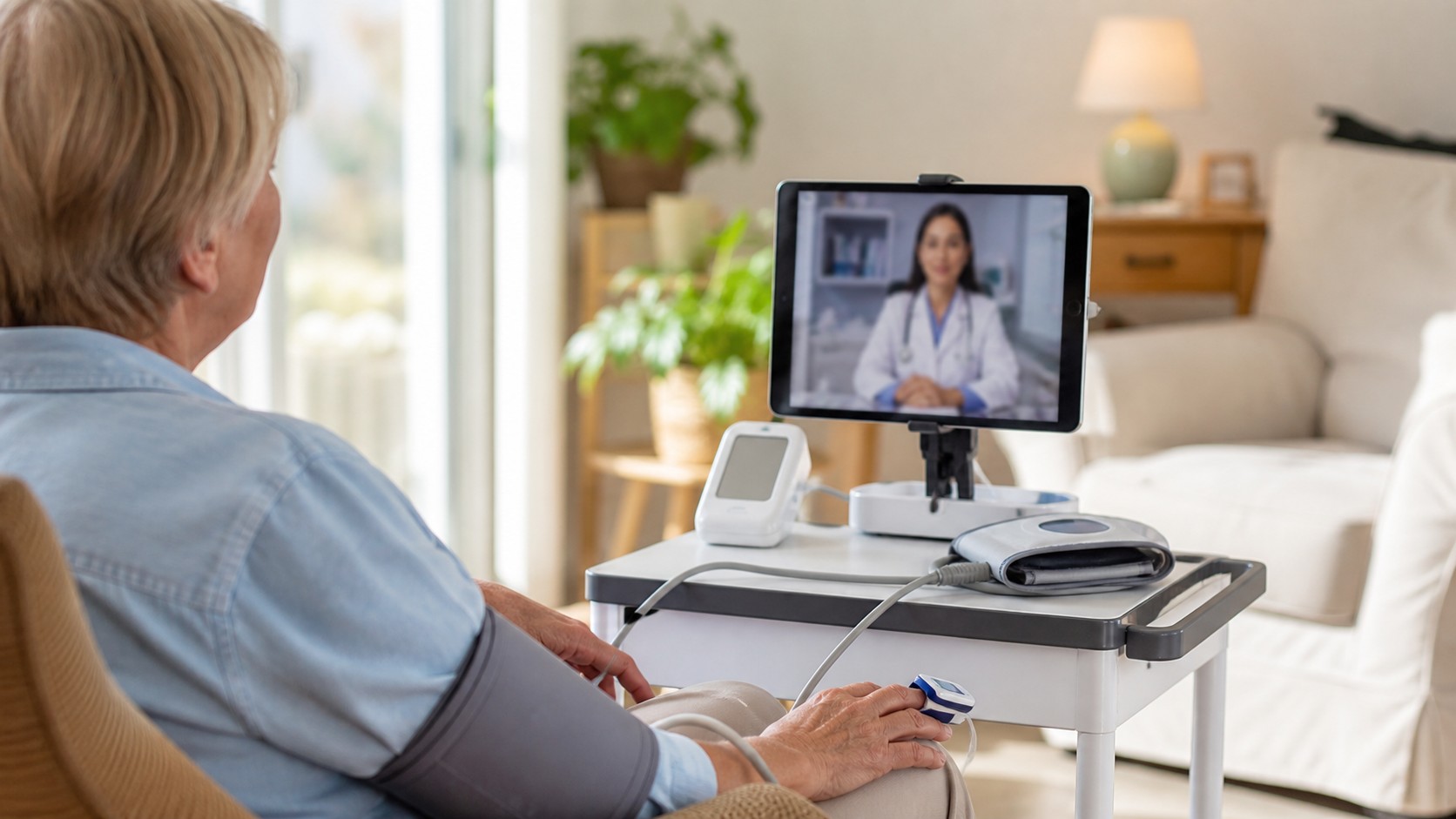
Remote diagnostics technology helps collect health data away from the clinic and route it to software and clinicians for interpretation.
Remote diagnostics uses connected devices, AI-supported triage, and clinician review to evaluate health concerns outside traditional clinics.
AI can help detect disease-causing genetic mutations by ranking variants, predicting biological effects, and connecting evidence to clinical context.
Compare AI genomic data analysis tools by use case, data type, validation, explainability, privacy, integration, and clinical actionability.
AI is reshaping genetic testing by supporting variant interpretation, precision oncology, pharmacogenomics, reanalysis, and more targeted care decisions.
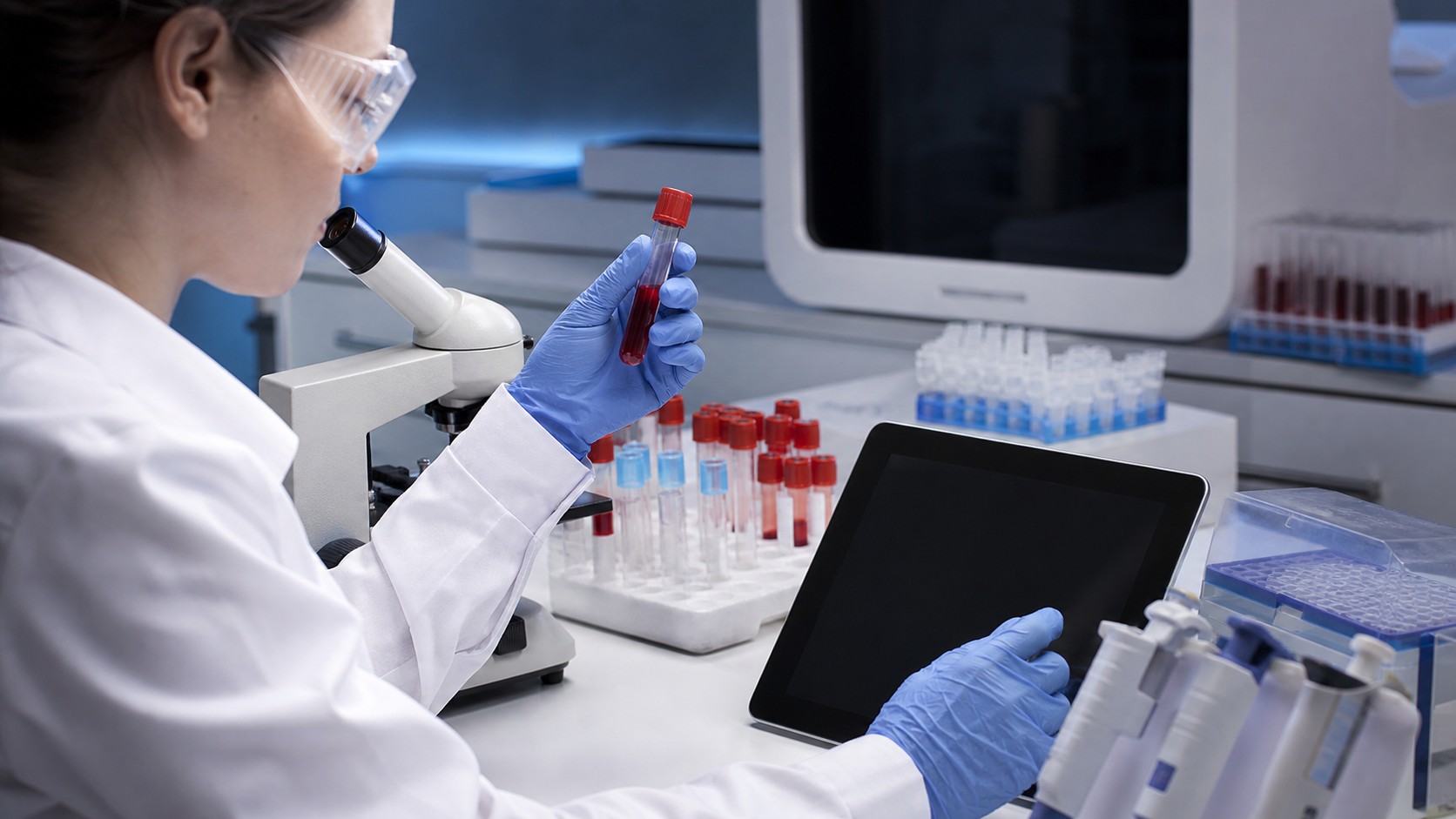
AI in genomics helps scientists and clinicians interpret DNA and molecular data, but results still need validation, context, and human review.
AI may find some diseases earlier than traditional screening by combining subtle signals across time, data sources, and risk patterns.
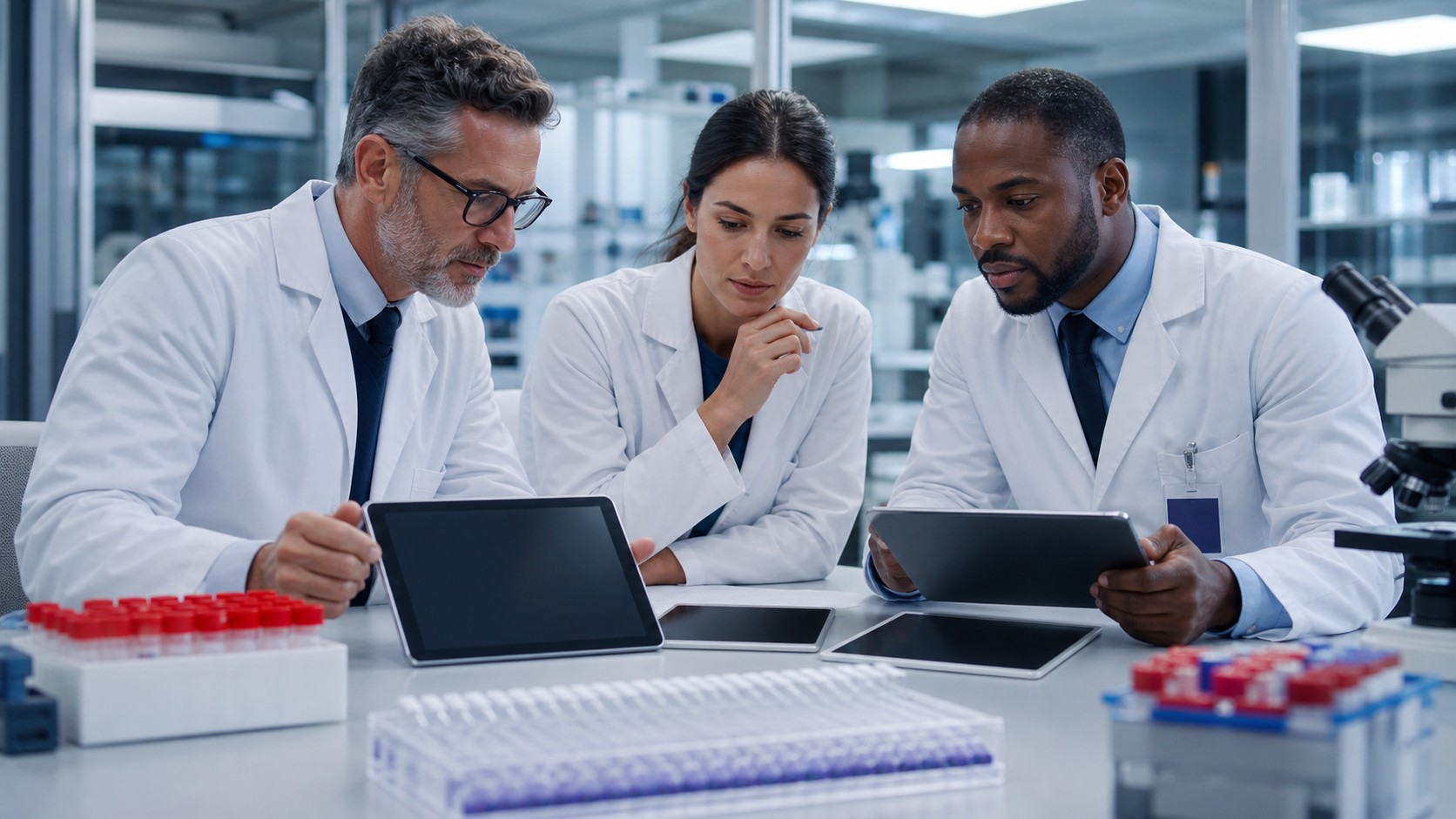
The best AI early detection platform depends on the disease area, evidence quality, workflow fit, data sources, equity monitoring, and clinical follow-through.
AI early detection platforms transform preventive healthcare by finding risk signals earlier and turning them into outreach, screening, and monitoring workflows.
AI can identify early warning signs before symptoms by detecting subtle changes in labs, imaging, wearables, records, and population risk patterns.