Build From the Week You Can Actually Repeat
A workout plan begins to become personal when it fits an ordinary Tuesday. You have a certain amount of time, a particular place to exercise, and a starting level that may differ from the one you remember from several years ago. AI can help arrange those constraints into a readable plan, but it cannot establish your fitness level from a confident paragraph or know how an unfamiliar exercise feels. Start by describing your current routine accurately, choose a small set of manageable activities, and review the proposed week before committing to it. The aim is a plan you can repeat and adjust, with enough structure to make progress visible and enough flexibility to accommodate feedback. That approach makes an AI workout plan useful without turning its first recommendation into a prescription you must follow.
A: No. Begin with an accurate account of recent activity, experience, constraints, and relevant limitations. A generated schedule does not require you to invent a performance test or push to maximum effort merely to complete setup.
A: List what you can reliably use, including practical space, noise, setup, and access constraints. A machine that exists but is always occupied may be less useful for planning than a simpler option available when you train.
A: Not necessarily. A starting routine can build gradually as appropriate from current activity and circumstances. General targets should not turn the first generated week into an abrupt workload that ignores experience, limitations, or relevant advice.
A: It becomes harder to understand which change produced a new response or made the routine impractical. A clear record of changes supports a more useful review than simultaneously altering duration, frequency, resistance, and complexity without context.
A: It provides historical context, not a substitute for a present-day baseline. Consider recent activity, interruptions, experience, and circumstances before treating a past achievement as evidence that the same workload is appropriate now.
A: A manageable simplification that fits the real window and preserves a clear purpose. It should not require rushing through the whole session, omitting needed instruction, or treating a shorter routine as a failed version of the full one.
A: Reconsider its starting assumptions, recorded completion, available time, and equipment settings. If the mismatch persists despite accurate corrections, the service may not fit your needs; repeated reductions should not automatically be treated as personal failure.
A: Keep a clear record of completed activity, meaningful adjustments, dates, and relevant context. Distinguish actual work from planned sessions so the next service or coach does not mistake an ambitious schedule for completed history.
A: When instruction, symptoms, limitations, or unresolved circumstances require appropriate observation or assessment. The right person depends on the issue; a training question and a clinical concern may need different qualifications and response routes.
A: Compare the proposed week with actual experience: feasibility, understanding, time, access, and completed work. Use that account to revise assumptions before focusing mainly on whether the app's scores or progression targets increased.
Establish a Baseline Without Testing Your Maximum
Describe what you have actually done during recent weeks. Include walking or other everyday movement, structured exercise, and any substantial period of inactivity. A past achievement can be relevant background, but it should not silently become your current starting point. Someone returning after a long break needs a plan grounded in the present, even if they once trained frequently.
You do not need to perform an exhausting test to give a planner useful information. Familiar activities can reveal practical details: how long a comfortable walk fits into your day, whether you understand a movement, and how you feel afterward. Avoid asking a general assistant to assign a precise fitness score from these descriptions. The useful output is a reasonable starting discussion, with uncertainties left visible.
If symptoms, a health condition, recent surgery, pregnancy, or a rehabilitation need affect exercise choices, obtain relevant professional guidance. The right starting point may depend on information a general planner cannot assess. Enter applicable restrictions accurately when using a tool, and do not let the tool reinterpret them into a more ambitious target. A plan is only usable when its assumptions fit the person carrying it out.
Describe Equipment as Specifically as Time
List the equipment you can reliably access rather than everything a facility theoretically owns. A bench that is usually occupied or a class you rarely reach is not dependable capacity. At home, include available space, noise limits, floor conditions, and whether you can safely set up the equipment. These details can matter more than a broad label such as “home gym.”
Time also needs a realistic definition. If you have thirty minutes including preparation and travel, you do not have thirty minutes of uninterrupted training. Explain the full constraint so the proposed session does not require rushing. Ask for a shorter alternative for unusually busy days, then inspect whether the alternative still makes sense as a complete session rather than a compressed version of everything you missed.
Give the Assistant One Clear Planning Request
Planning example: “I already do two short comfortable walks each week and want a more organized routine. Tuesday and Saturday are available; Wednesday is not. I have no gym access. Arrange only familiar activities within my current guidance. Show preparation time, an unscheduled recovery day, and a fallback; ask before adding unfamiliar exercises.” A schedule draft could reserve Tuesday for the familiar walk and Saturday for an already-learned activity, leaving other days unassigned rather than filling every gap. If Saturday is missed, the revision should begin from the next available opportunity, not double Tuesday. The useful output is a calendar you can check against the stated constraints. Activity choice and workload still need to fit the individual; this example demonstrates scheduling rather than prescribing exercise.
A useful request states your current activity, main goal, available days, approximate session time, equipment, and any relevant professional advice. Ask for a conservative starting week with an explanation of why each activity is included, along with alternatives for unavailable equipment. Require the assistant to identify missing information instead of filling it with invented assumptions. You can request a draft organized around your schedule without asking it to diagnose limitations, calculate an exact safe workload, or promise results. This keeps the task focused on arranging a plan you can inspect.
Inspect the First Week Before Adding Progression
Read the week as a whole. A single session may look reasonable while the combination leaves little recovery time or piles several demanding activities onto consecutive days. Check the mix of activities and whether it reflects your stated goal. Also inspect how much of the plan is new; a week full of unfamiliar movements creates more instruction work than a beginner may expect.
Compare the draft with established general guidance without treating that guidance as a starting quota you must immediately meet. The NIDDK explains that some activity is better than none and describes building up gradually. Its overview includes aerobic and strengthening activities, but the appropriate starting amount depends on circumstances. An inactive person can work toward broader goals over time rather than forcing the full target into the first week.
Remove anything you cannot explain in ordinary language. You should know what an exercise is, where you will perform it, and what makes the suggested version manageable. An unfamiliar abbreviation or a long sequence of technical instructions is a reason to clarify the plan before beginning. A simpler week that you understand is more useful than an impressive schedule you have to decode during every session.
Ask the assistant to summarize the assumptions separately from the activities. This exposes hidden dependencies such as access to equipment, familiarity with a movement, or the ability to exercise on a particular day. Correct those assumptions before changing the workload. Otherwise, you may spend several rounds adjusting sets and times while the fundamental schedule remains impossible.
Learn a Small Set of Movements Well
Novelty is easy for a generator to supply, but more exercises do not automatically produce a better beginner plan. Repeating a manageable group of activities can make instruction, setup, and progress easier to understand. Choose movements you can perform with control, and seek appropriate instruction when needed. The goal is to reduce uncertainty about execution before increasing the challenge.
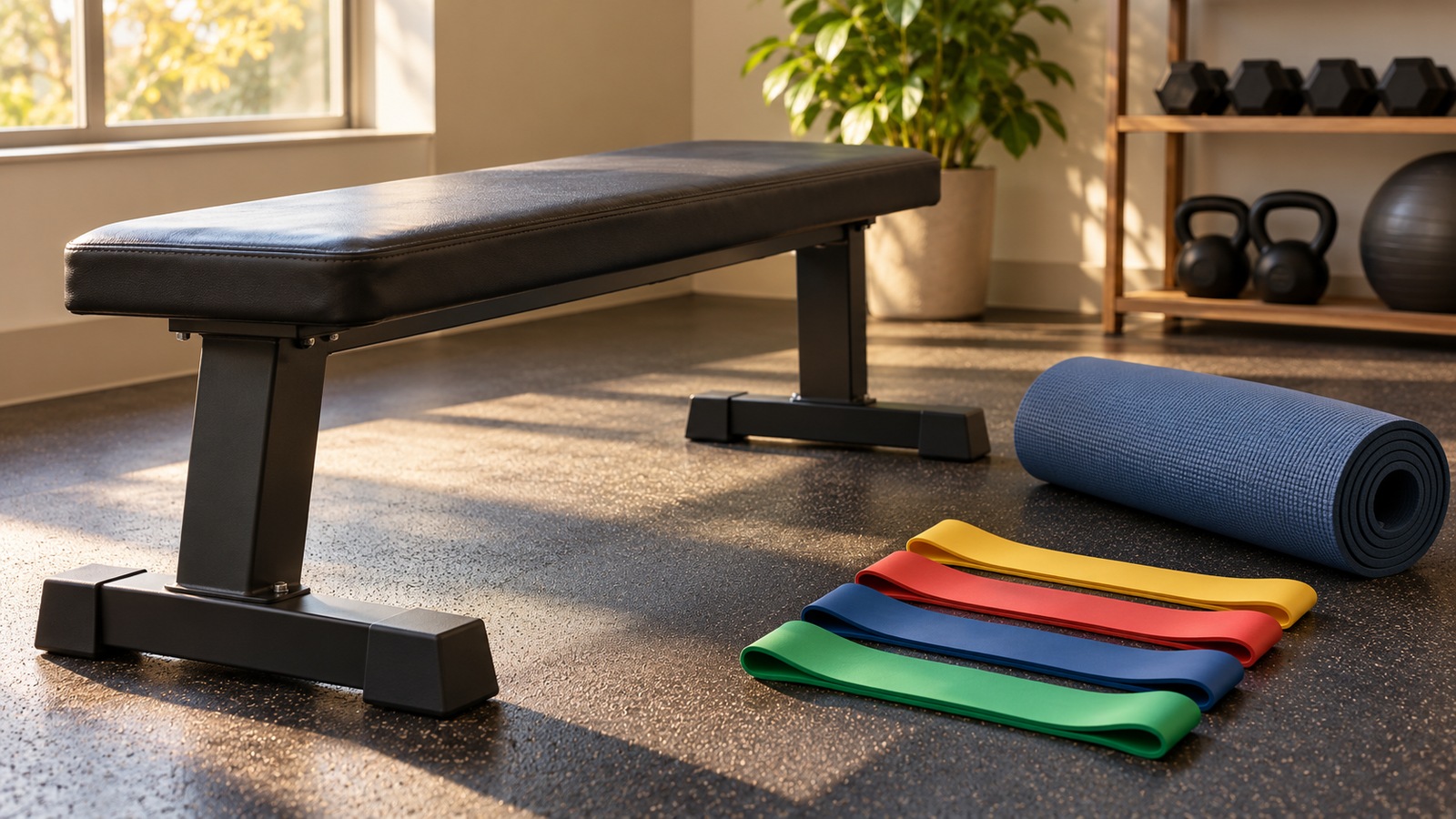
For example, a person with a mat, light resistance equipment, and room to walk may not need a long gym-style split. They may benefit from a modest combination of familiar movement and brief strengthening practice. This is an illustration of matching a plan to resources rather than a specific prescription. The suitable exercise choices and starting workload depend on the individual, especially when there are limitations or symptoms.
Use Effort and Recovery as Feedback, Not a Competition
Record how the session actually went rather than how it was supposed to go. Useful observations include whether the instructions were clear, whether the planned time was realistic, and whether an activity felt unexpectedly difficult. Keep the account descriptive. A short entry such as “needed extra time to set up and did not understand the final movement” can be more actionable than assigning a perfect completion score.
Do not let a wearable’s estimate erase your experience. A favorable readiness score cannot establish that every exercise is appropriate, and an unfavorable score may reflect factors the app cannot identify. Use relevant measurements as one source of context. If a recommendation conflicts with symptoms, restrictions, or your ability to control the movement, reconsider it rather than treating the generated plan as an obligation.
New or concerning symptoms require an appropriate response outside the planning conversation. Stop an unsuitable activity and obtain relevant assessment when indicated. An assistant may produce explanations for discomfort, but it cannot determine the cause through confident speculation. The plan should leave room for uncertainty and for professional help instead of rewarding you for training through every unexpected response.
Change One Meaningful Variable at a Time
Once a routine is manageable, discuss progression in terms you can observe. Duration, frequency, resistance, and exercise complexity are different variables. Changing all of them together makes it harder to understand why the next week feels different. Ask for the reason behind a proposed change and decide whether the previous work provides a reasonable basis for it.
A fixed weekly increase should not be treated as a universal rule. People, activities, and starting points differ, and interruptions can alter what is appropriate. Keep progression responsive to actual completion and experience rather than a calendar alone. If you repeatedly need to reduce the plan, revise its baseline instead of treating each reduction as a temporary failure to meet expectations.
Write a Busy-Day Version Before You Need It
A backup session can protect continuity when time changes, but it should not create pressure to squeeze a full workout into an unsuitable window. Decide which part of the routine remains useful and manageable in less time. You may choose a short familiar activity or move the session to another day. The backup should simplify a decision rather than become another performance target.
Handle Missed Sessions Without Building a Debt
When a session is missed, record that fact honestly and reconsider the upcoming week. Automatically doubling the next session can change the workload more than intended. Ask the planner to reorganize the schedule from the current situation rather than preserving every original activity at all costs. Recovery time and available days still matter after an interruption.
Look for patterns behind repeated misses. Travel, caregiving, access, or fatigue may make the original arrangement unrealistic. Change the arrangement that is causing the friction instead of asking for stronger motivational language. A plan becomes more personal when it responds to those constraints, not merely when it addresses you by name and repeats the goal you entered.
If you return after illness or an extended break, avoid assuming that the last completed week remains the right restart point. Review the current baseline and seek relevant guidance when circumstances warrant it. The log can remind you what you previously did, but it cannot decide what you should tolerate now. Re-entry is a fresh planning decision rather than a demand to catch up.
Keep a Record You Can Understand Without the App
Save the activities you performed, important adjustments, and the context needed to interpret them. A useful record distinguishes the proposed plan from completed work. If you share it with a trainer or clinician, keep it focused enough to support the conversation. A transcript containing many unused generated routines can obscure the small amount of information that actually describes your exercise.
Retain access to the record if you change services. A simple portable history makes it easier to compare how different arrangements work for you. Avoid connecting unrelated data sources solely because a planning app offers the option. Share information according to its purpose and review the service’s data controls before making it the permanent home of sensitive details.
Review the Plan After Real Experience
At the end of the first couple of weeks, evaluate feasibility before asking for more ambition. Which sessions happened, which instructions needed help, and which part of the schedule repeatedly failed? Compare the draft’s assumptions with the actual pattern. A useful revision may reduce complexity, change a training day, or replace an exercise rather than increase the workload.
Then decide whether the tool is providing the kind of help you need. If the central problem is direct instruction or an unresolved physical limitation, more generated plans may not resolve it. Seek appropriate human support for that part of the process. AI remains useful when it arranges a workable routine around information you understand and can correct.
The example calendar now has a useful second version: Tuesday’s familiar activity remains as planned, the missed Saturday session stays marked missed, and the next available slot is chosen without doubling the workload. Compare that revision with the original constraints. Wednesday should still be unavailable, gym equipment should not appear, and an unfamiliar exercise should still require a separate decision. Those checks show whether the assistant created a plan for this person’s actual week. A more crowded calendar would not necessarily be a better result.